Why Do People Gain Weight After Quitting Smoking? Causes and Smart Solutions
Quitting smoking saves lives—but weight gain often follows. Here’s why it happens and how to control it without relapse.


When smokers quit, their bodies begin a complex adjustment process. While the health benefits are undeniable, weight gain remains a common concern and a leading cause of relapse.
Nicotine suppresses appetite, stabilizes blood sugar levels, and boosts metabolism. Once it’s removed, hunger increases, metabolism slows slightly, and the brain seeks comfort—often through high-calorie foods.
Smoking also burns calories, with each cigarette increasing energy expenditure. Its absence means fewer calories burned daily. Additionally, many former smokers replace the hand-to-mouth habit with snacking.
Research from the University of Minnesota shows that nicotine withdrawal affects the brain’s reward system, increasing cravings for fatty and sugary foods. However, not everyone gains weight—about one-third of quitters maintain their weight, while others experience only modest increases.
Experts advise against strict dieting during smoking cessation. Instead, they recommend balanced meals, fiber-rich vegetables, adequate hydration, and regular physical activity to manage appetite and stress.
Ultimately, any temporary weight gain is a small price to pay for long-term health. Quitting smoking remains one of the most powerful decisions for a healthier life.
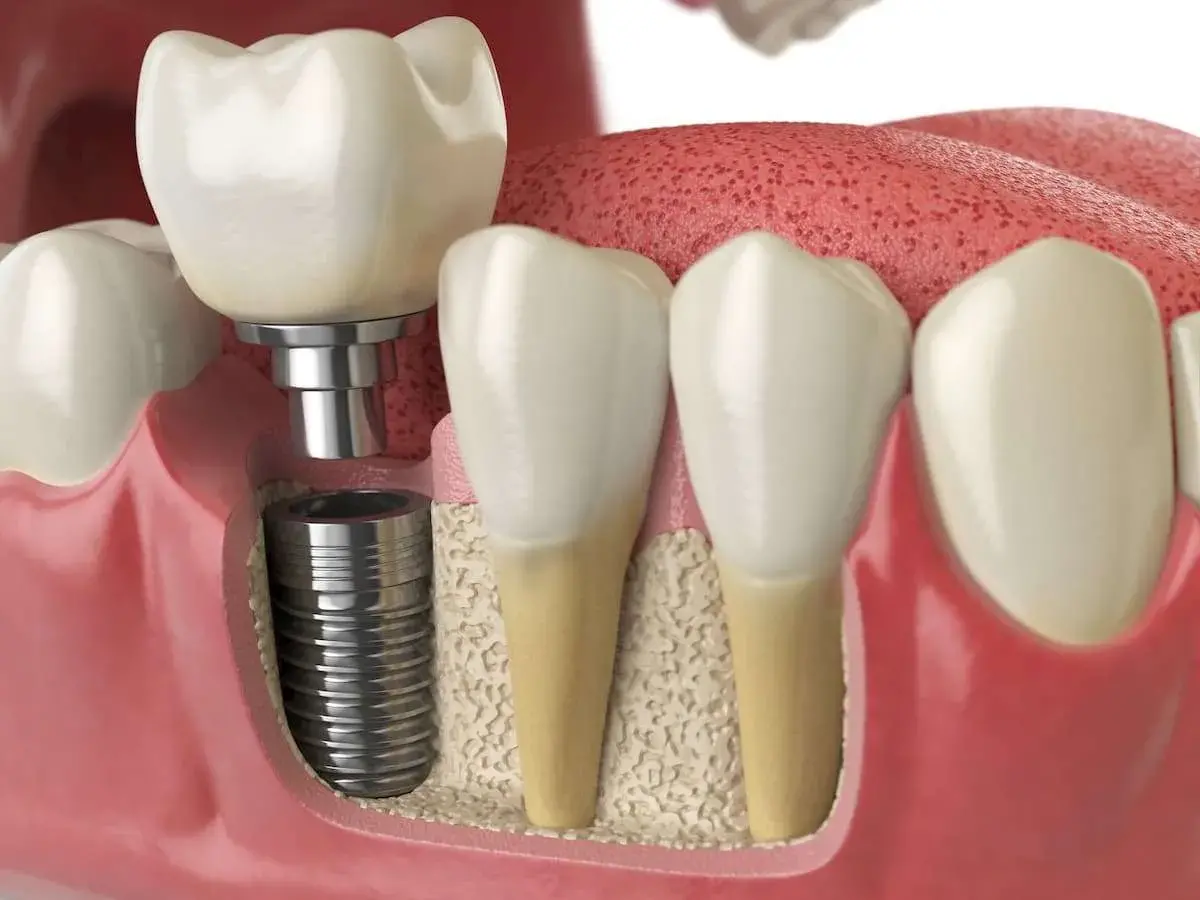
Learn the difference between immediate and traditional dental implants with Dr. Abdelmagid Nabil in Giza, and discover the advantages, disadvantages, and the best option for your dental condition to restore a natural and confident smile.

Dr. Rehab Helmy offers premarital and newlywed counseling sessions in Giza and Haram to help couples build healthy, stable relationships based on communication, understanding, and emotional support.

However, the psychological and educational truth is that the issue is far deeper than simple “lying,” and rushing to judge a child may worsen the situation instead of solving it.

Hypertension, also known as high blood pressure, is one of the most common chronic diseases worldwide. It is often called the “silent killer” because it may develop without noticeable symptoms while gradually damaging the heart, brain, kidneys, and blood vessels.