Nighttime Heart Palpitations: What Causes Them and Are They Dangerous
Many people experience heart palpitations at night and worry about their health. Discover the most common causes of nighttime palpitations, how to distinguish harmless episodes from dangerous ones, and when to seek medical help.


Have you ever felt your heart pounding or skipping beats while lying down?
Nighttime palpitations are common and often not dangerous. They occur when the heart beats irregularly or contracts too early, known medically as:
-
PVC (Premature Ventricular Contraction)
-
PAC (Premature Atrial Contraction)
Many people experience these occasionally without noticing them, but they may become more noticeable at night due to body position and quiet surroundings.
Common causes include:
-
Anxiety, stress, and panic attacks
-
Dehydration and electrolyte imbalance
-
Medications and stimulants (diet pills, cold medicines, nicotine)
-
Obesity and overweight
-
Hormonal changes (pregnancy, menopause)
-
Caffeine, alcohol, chocolate, and high-sugar foods
-
Thyroid problems
-
Anemia
-
Heart diseases (heart attack, heart failure, cardiomyopathy)
-
Arrhythmias (Afib, tachycardia, bradycardia)
-
Low blood pressure or low blood sugar
-
Myocarditis (heart inflammation)
When to see a doctor urgently:
-
Chest pain or pressure
-
Severe shortness of breath
-
Fainting or dizziness
-
Rapid or persistent palpitations
-
Swollen legs
-
Palpitations with fever
Tips to reduce nighttime palpitations:
-
Avoid stimulants before bed
-
Stay hydrated and eat magnesium-rich foods
-
Manage stress and improve sleep
-
Maintain healthy weight
-
Consult a doctor if symptoms persist
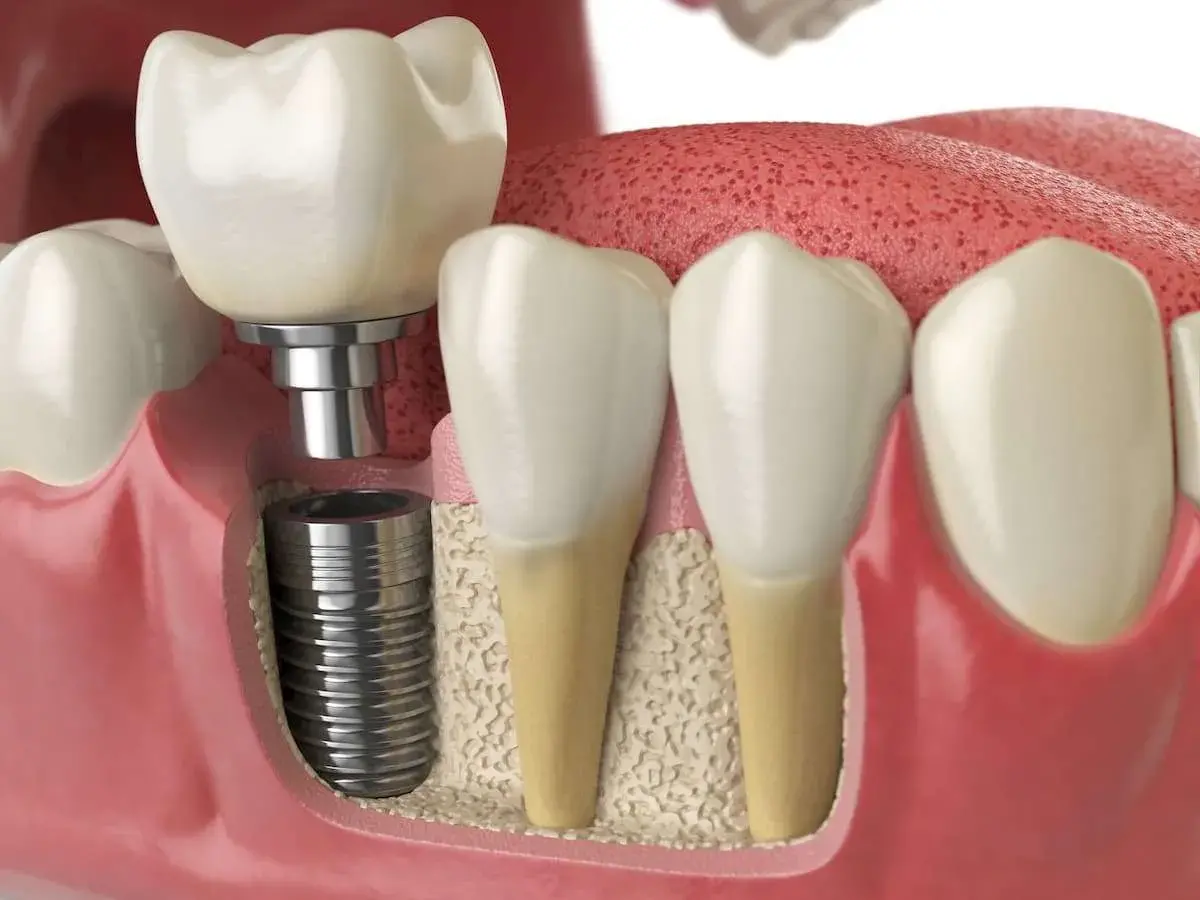
Learn the difference between immediate and traditional dental implants with Dr. Abdelmagid Nabil in Giza, and discover the advantages, disadvantages, and the best option for your dental condition to restore a natural and confident smile.

Dr. Rehab Helmy offers premarital and newlywed counseling sessions in Giza and Haram to help couples build healthy, stable relationships based on communication, understanding, and emotional support.

However, the psychological and educational truth is that the issue is far deeper than simple “lying,” and rushing to judge a child may worsen the situation instead of solving it.

Hypertension, also known as high blood pressure, is one of the most common chronic diseases worldwide. It is often called the “silent killer” because it may develop without noticeable symptoms while gradually damaging the heart, brain, kidneys, and blood vessels.