Umrah Explained: Meaning, Ruling, شروطها، and Spiritual Rewards
Umrah is more than a visit—it’s a spiritual journey. Discover its meaning, ruling, conditions, and rewards in Islam.

What is Umrah?
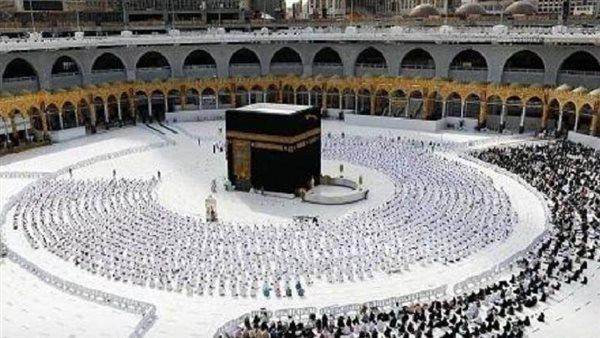
Linguistically, Umrah means a visit. In Islamic terms, it is the visitation of the Sacred House with rituals including Ihram, Tawaf, and Sa’i, performed with devotion and sincerity.
What is the Ruling on Umrah?
Scholars differ on its ruling. Some consider it obligatory once in a lifetime for those able, based on the verse:
“And complete the Hajj and Umrah for Allah.”
Others view it as a highly recommended Sunnah. However, many scholars hold that it is obligatory for those who have the means.
Conditions for Obligation
Umrah becomes obligatory when the following conditions are met:
- Being Muslim
- Sound mind
- Reaching adulthood
- Freedom
- Physical and financial ability
If a person lacks ability, they are not required, but if performed, it is valid.
The Virtues of Umrah
Umrah holds immense spiritual value. The Prophet ﷺ said:
“Umrah to Umrah expiates the sins between them.”
Pilgrims performing Umrah are considered guests of Allah—when they supplicate, they are answered, and when they seek forgiveness, they are forgiven.
Ways to Perform Umrah
There are different forms, including:
- Independent Umrah: Performed separately from Hajj
- Tamattu’: Umrah followed by Hajj
- Qiran: Combining Umrah and Hajj together
A Journey of Renewal
Umrah is not just movement—it is transformation. Every step, every prayer, every tear becomes a bridge between the servant and the Divine.
For more details and the latest updates, follow Masr Connect
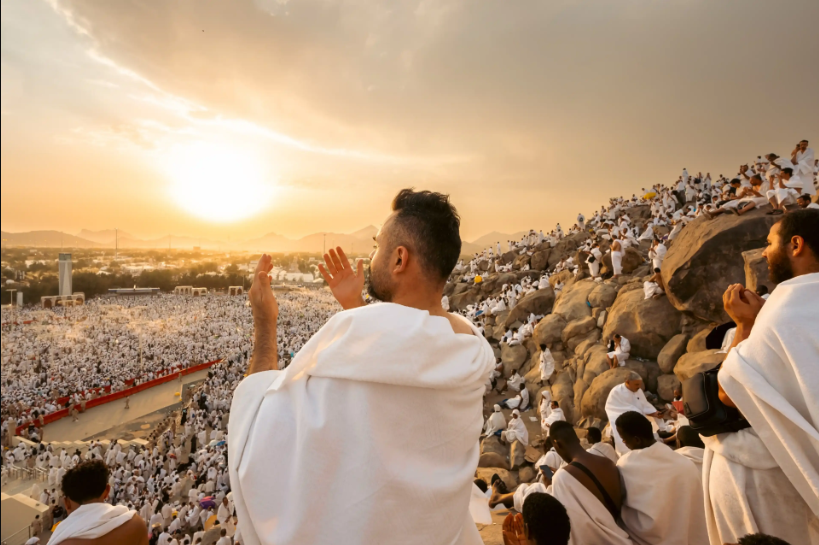
Learn the best deeds on the Day of Arafah for pilgrims and non-pilgrims, including fasting, prayers, and powerful forgiveness duas on this blessed day

Learn the so-called “miracle prayer for children” and beautiful supplications for protecting kids, guiding them, and asking Allah for safety, righteousness, and blessings.
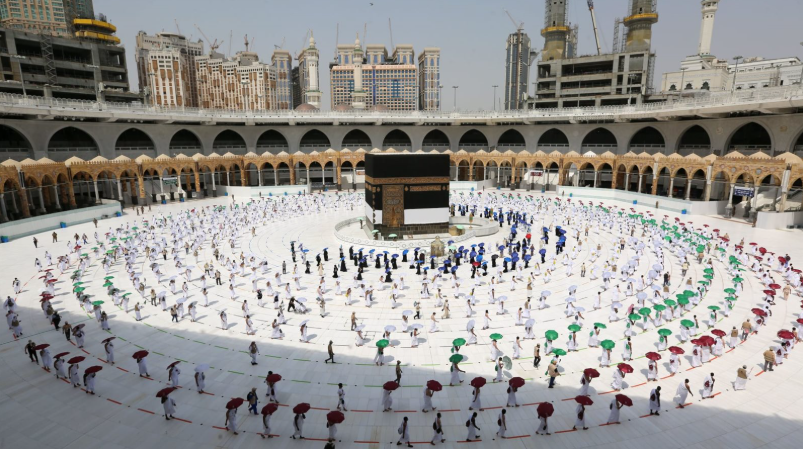
Learn the ruling on interrupting Tawaf for obligatory prayer and how to resume it afterward according to Dar Al-Ifta Egypt and Islamic jurisprudence.
A collection of authentic supplications for relief from distress, easing sadness, and calming the heart, along with spiritual tips for inner peace.