

For more details and the latest news, follow Masr Connect
Does Sleeping After Fajr Affect Your Dreams? Dar Al-Ifta Explains
Many wonder whether sleeping after dawn prayer leads to nightmares. Scholars clarify the difference between true visions, dreams, and restless thoughts, with guidance to protect yourself spiritually.
Tue , March 03 2026 / 12:38 PM
Updated At: 2026-03-03 12:38:06
As the first light of Fajr spreads, some people sleep after the prayer and worry about nightmares.
Dr. Mohamed Wissam, Fatwa Secretary, explained that the nature of dreams depends on their content, not the time of sleep. Good dreams should be thanked for, while disturbing dreams require seeking refuge in God, spitting to the left three times, and not sharing them.
Sheikh Mohamed Tawfiq clarified that dreams are of three types:
-
True visions: from God, bring glad tidings or warnings, to be thanked for and shared with loved ones.
-
Nightmares: from Satan, disturbing, seek protection in God.
-
Restless thoughts: reflections of daily concerns, without interpretation.
For those who experience frequent nightmares despite prayer and Quran recitation, Sheikh Owaida Osman recommends sleeping in ablution, remembering God, sending blessings on the Prophet ﷺ, reciting Ayat Al-Kursi, Al-Mu’awwidhatain, and bedtime supplications for protection and tranquility.
May 23
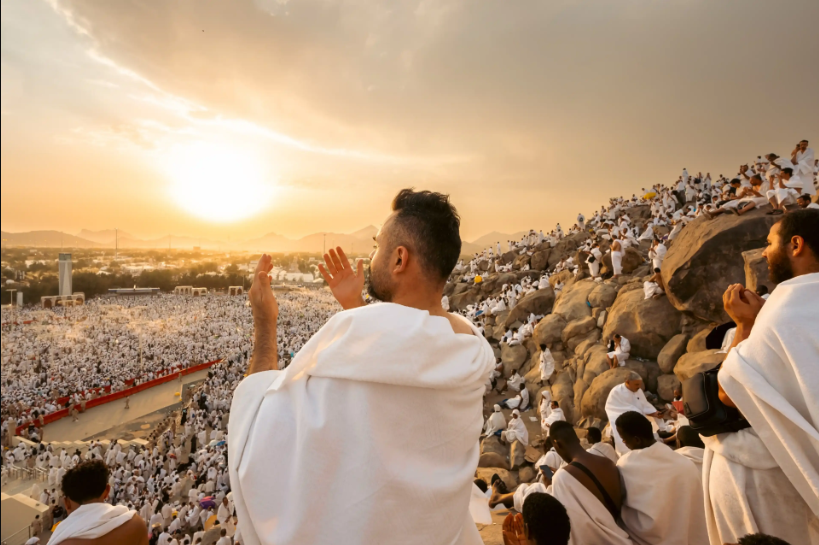
Learn the best deeds on the Day of Arafah for pilgrims and non-pilgrims, including fasting, prayers, and powerful forgiveness duas on this blessed day
May 21
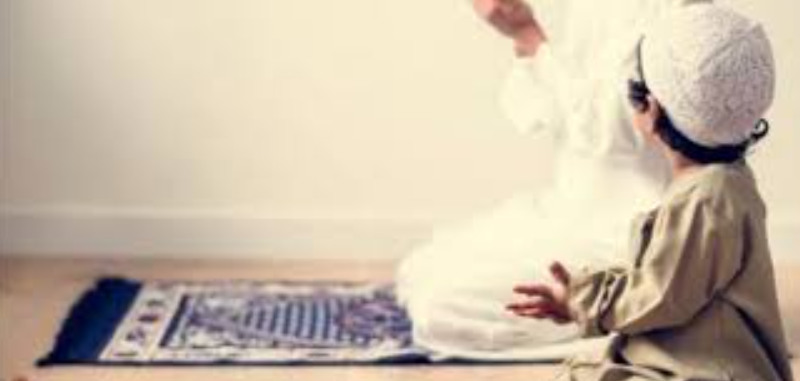
Learn the so-called “miracle prayer for children” and beautiful supplications for protecting kids, guiding them, and asking Allah for safety, righteousness, and blessings.
May 21
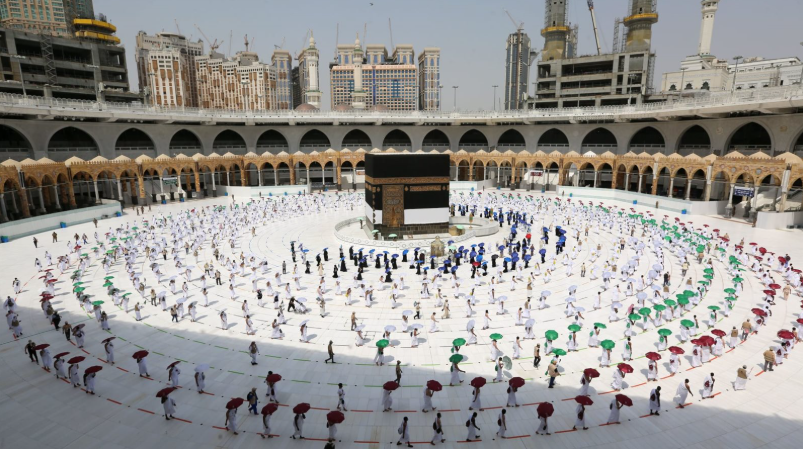
Learn the ruling on interrupting Tawaf for obligatory prayer and how to resume it afterward according to Dar Al-Ifta Egypt and Islamic jurisprudence.
May 21
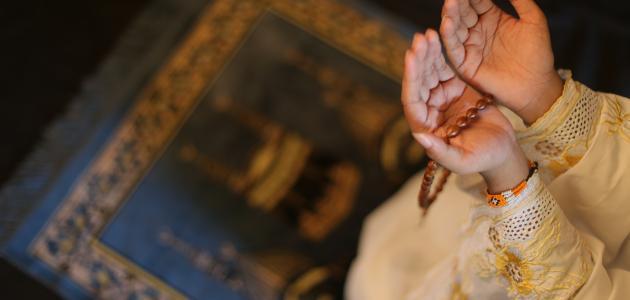
A collection of authentic supplications for relief from distress, easing sadness, and calming the heart, along with spiritual tips for inner peace.