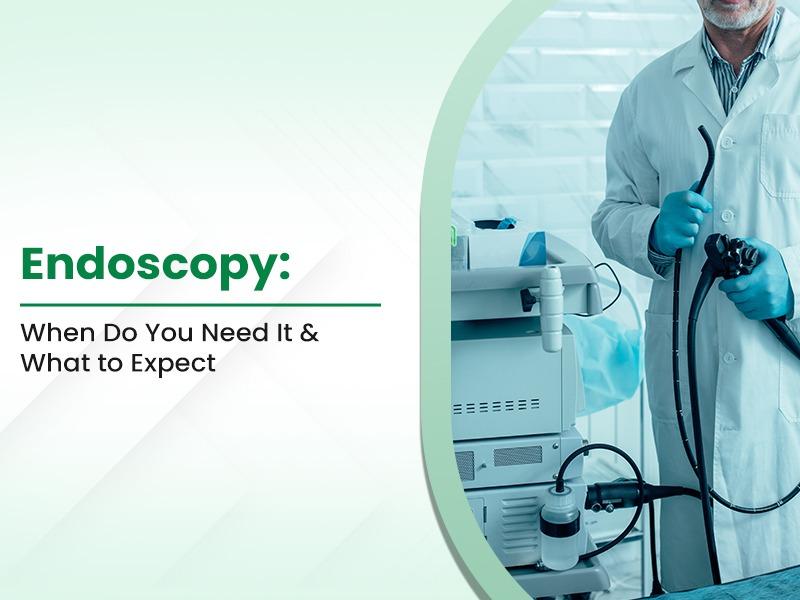
When Do You Need an Endoscopy? and Conditions That Require It
Endoscopy is one of the most important modern medical tools used by doctors to accurately diagnose many digestive system diseases without the need for surgery. It is used to examine the stomach, colon, or esophagus depending on the symptoms and the patient’s condition.

When Do You Need an Endoscopy? and Conditions That Require It
Introduction
Endoscopy is one of the most important modern medical tools used by doctors to accurately diagnose many digestive system diseases without the need for surgery. It is used to examine the stomach, colon, or esophagus depending on the symptoms and the patient’s condition.
What is an Endoscopy?
An endoscopy is a thin, flexible tube equipped with a small camera at its tip. It is inserted through the mouth or rectum (depending on the type of examination) to provide a real-time view of internal organs, helping doctors make an accurate diagnosis.
Types of Endoscopy
- Gastroscopy (Upper Endoscopy): examines the esophagus, stomach, and duodenum.
- Colonoscopy: examines the large intestine to detect inflammation or tumors.
- Laparoscopy (in some surgical cases): used for both diagnostic and therapeutic purposes.
When Do You Need a Gastroscopy?
A doctor may recommend a gastroscopy in the following cases:
- Persistent heartburn or acid reflux.
- Difficulty or pain when swallowing.
- Chronic upper abdominal pain.
- Persistent nausea or unexplained vomiting.
- Blood in vomit or stool.
- Unexplained weight loss.
When Do You Need a Colonoscopy?
A colonoscopy may be required in the following cases:
- Persistent changes in bowel habits (chronic diarrhea or constipation).
- Blood in the stool.
- Chronic abdominal pain.
- Suspected polyps or tumors.
- Family history of colon diseases or colon cancer.
Importance of Endoscopy
Endoscopy helps in:
- Accurate and quick diagnosis of diseases.
- Early detection of tumors.
- Taking biopsies for laboratory analysis.
- Treating some conditions during the procedure, such as removing polyps.
Is Endoscopy Painful?
Endoscopy is generally not painful. Sedation or mild anesthesia is used to reduce discomfort, and the procedure usually takes a short time.
When Should You Not Delay an Endoscopy?
You should not delay an endoscopy if you experience serious symptoms such as:
- Gastrointestinal bleeding.
- Rapid and unexplained weight loss.
- Severe and persistent abdominal pain.
- Severe difficulty swallowing.
Tips Before an Endoscopy
- Fast for 6–8 hours before a gastroscopy.
- Inform your doctor about any medications you are taking.
- Follow bowel preparation instructions before a colonoscopy.
Conclusion
Endoscopy is not a frightening procedure as many people believe. It is a safe and essential diagnostic tool that helps detect many diseases accurately. It is recommended when persistent or unusual symptoms require detailed medical evaluation.

Families in Al Wasta looking for trusted psychiatric and addiction treatment services can rely on Al Hodoa Center, which provides detox programs, psychological rehabilitation, behavioral therapy, and continuous medical care in a safe and supportive environment.

Discover the causes and symptoms of depression and modern treatment methods with Dr. Mervat Youssef El-Qadi in Gesr El Suez. Specialized psychological counseling, behavioral therapy, speech therapy, and psychological rehabilitation services for children, adolescents, and adults in Cairo.
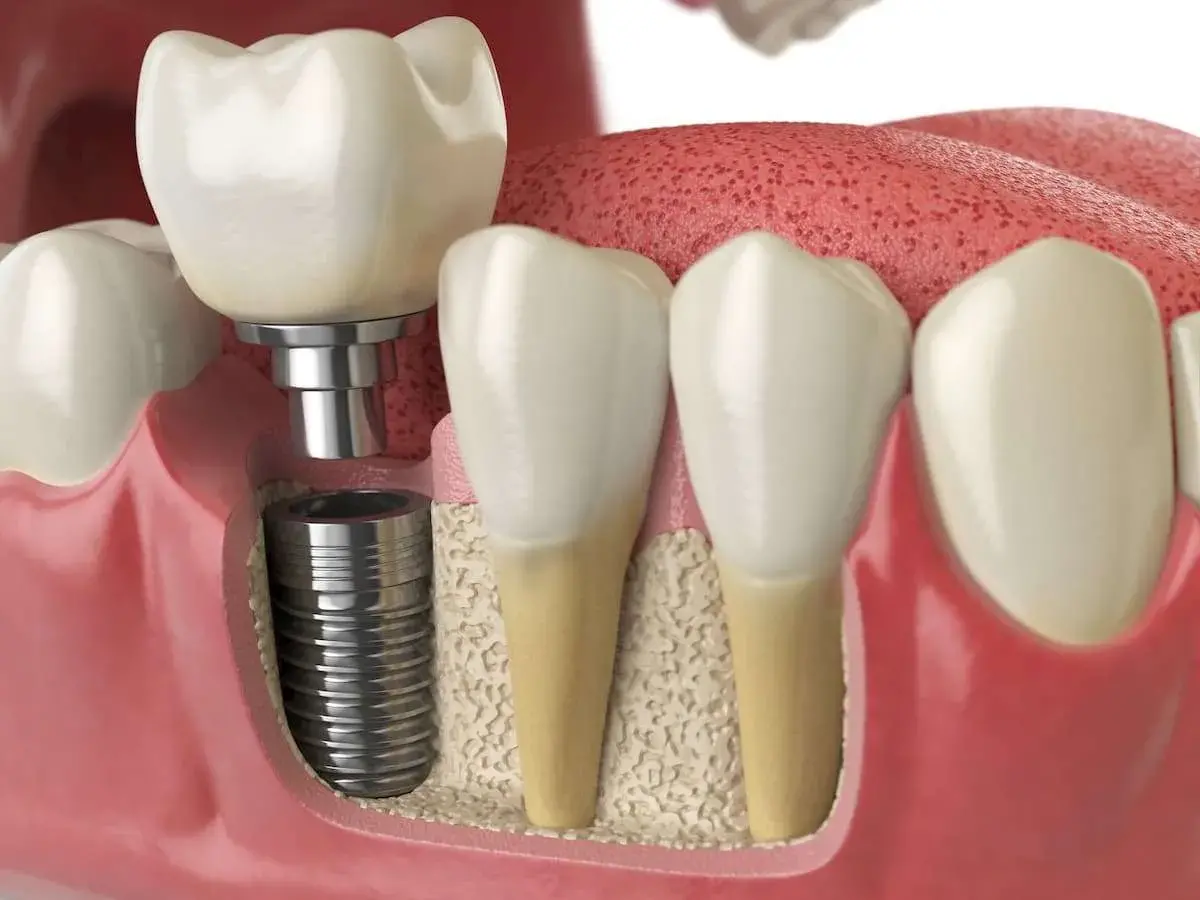
Learn the difference between immediate and traditional dental implants with Dr. Abdelmagid Nabil in Giza, and discover the advantages, disadvantages, and the best option for your dental condition to restore a natural and confident smile.

Dr. Rehab Helmy offers premarital and newlywed counseling sessions in Giza and Haram to help couples build healthy, stable relationships based on communication, understanding, and emotional support.