Tetralogy of Fallot Repair in Children: Hope Begins with Successful Surgery
Tetralogy of Fallot is one of the most common congenital heart defects in children. It is a condition that requires precise medical intervention at the right time. Although the diagnosis can cause significant concern for parents, advances in cardiac surgery have made Tetralogy of Fallot repair a highly successful procedure, giving children the chance to live a normal and healthy life.

By: Dr. Mahmoud El-Degwy Ahmed
🫀 Tetralogy of Fallot Repair in Children: Hope Begins with Successful Surgery
Dr. Mahmoud El-Degwy
✨ Introduction
Tetralogy of Fallot is one of the most common congenital heart defects in children. It is a condition that requires precise medical intervention at the right time. Although the diagnosis can cause significant concern for parents, advances in cardiac surgery have made Tetralogy of Fallot repair a highly successful procedure, giving children the chance to live a normal and healthy life.
🧠 What is Tetralogy of Fallot?
Tetralogy of Fallot is a complex congenital heart defect consisting of four main abnormalities:
Ventricular Septal Defect (VSD)
Pulmonary valve stenosis
Right ventricular hypertrophy
Overriding aorta
These defects affect blood flow and lead to reduced oxygen levels in the body, causing a bluish discoloration of the skin (cyanosis).
⚠️ Symptoms of Tetralogy of Fallot in Children
Symptoms vary depending on the severity of the condition, but the most common include:
Bluish lips and skin
Difficulty breathing
Poor growth
Cyanotic spells (especially during crying or feeding)
Fatigue during activity
🏥 When Does a Child Need Surgery?
In most cases, Tetralogy of Fallot repair surgery is recommended within the first year of life, and sometimes within the first few months, especially if symptoms are severe.
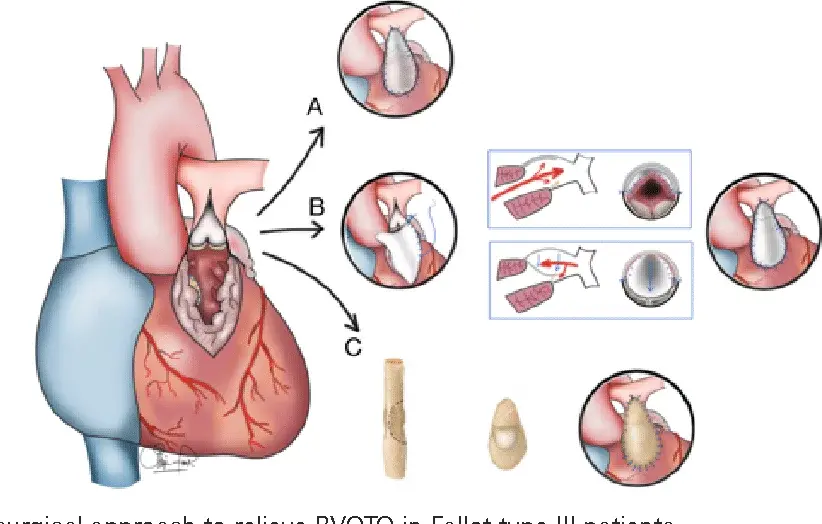
🔬 How is Tetralogy of Fallot Repair Performed?
The procedure is performed under general anesthesia by a specialized pediatric cardiac surgeon and includes:
Closing the ventricular septal defect with a medical patch
Widening or replacing the pulmonary valve if necessary
Improving blood flow to the lungs
The surgery takes several hours, after which the child is transferred to the intensive care unit for monitoring.
⏳ Recovery After Surgery
After the procedure, the child typically needs:
Hospital stay for 5 to 10 days
Regular medical follow-ups
Adherence to prescribed medications
Avoiding excessive physical activity initially
Most children show noticeable improvement in color and activity levels after surgery.
📊 Success Rate of the Surgery
Tetralogy of Fallot repair is considered a highly successful procedure, with success rates exceeding 90% in specialized centers, especially with early diagnosis and proper follow-up.
❤️ Can a Child Live a Normal Life After Surgery?
Yes, in most cases, children can live a completely normal life with:
Regular follow-up with a cardiologist
Gradual return to physical activities
Proper nutrition and general health care
🩺 Tips for Parents
Do not delay consulting a specialist
Monitor any changes in your child's color or breathing
Stick to follow-up appointments
Provide emotional support for your child
🏁 Conclusion
Tetralogy of Fallot repair is not the end of the journey, but the beginning of a better life for your child. With modern medical advancements and surgical expertise, outcomes are highly reassuring. Early diagnosis and proper follow-up are the keys to the best results.
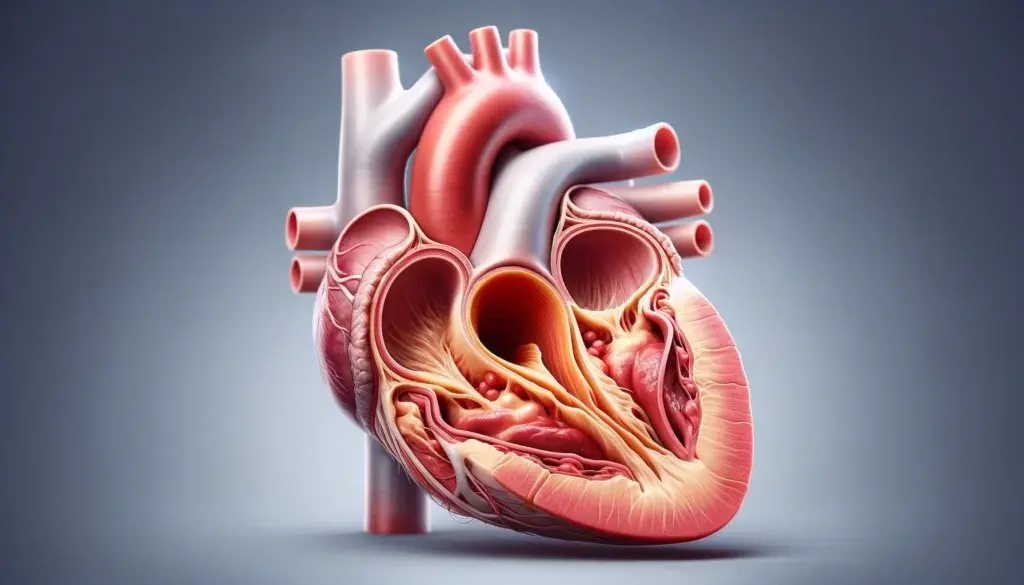
Heart valve infection treatment in Giza with Dr. Mahmoud El-Degwy, cardiothoracic surgeon, using advanced diagnostic methods and minimally invasive cardiac surgery for optimal outcomes.
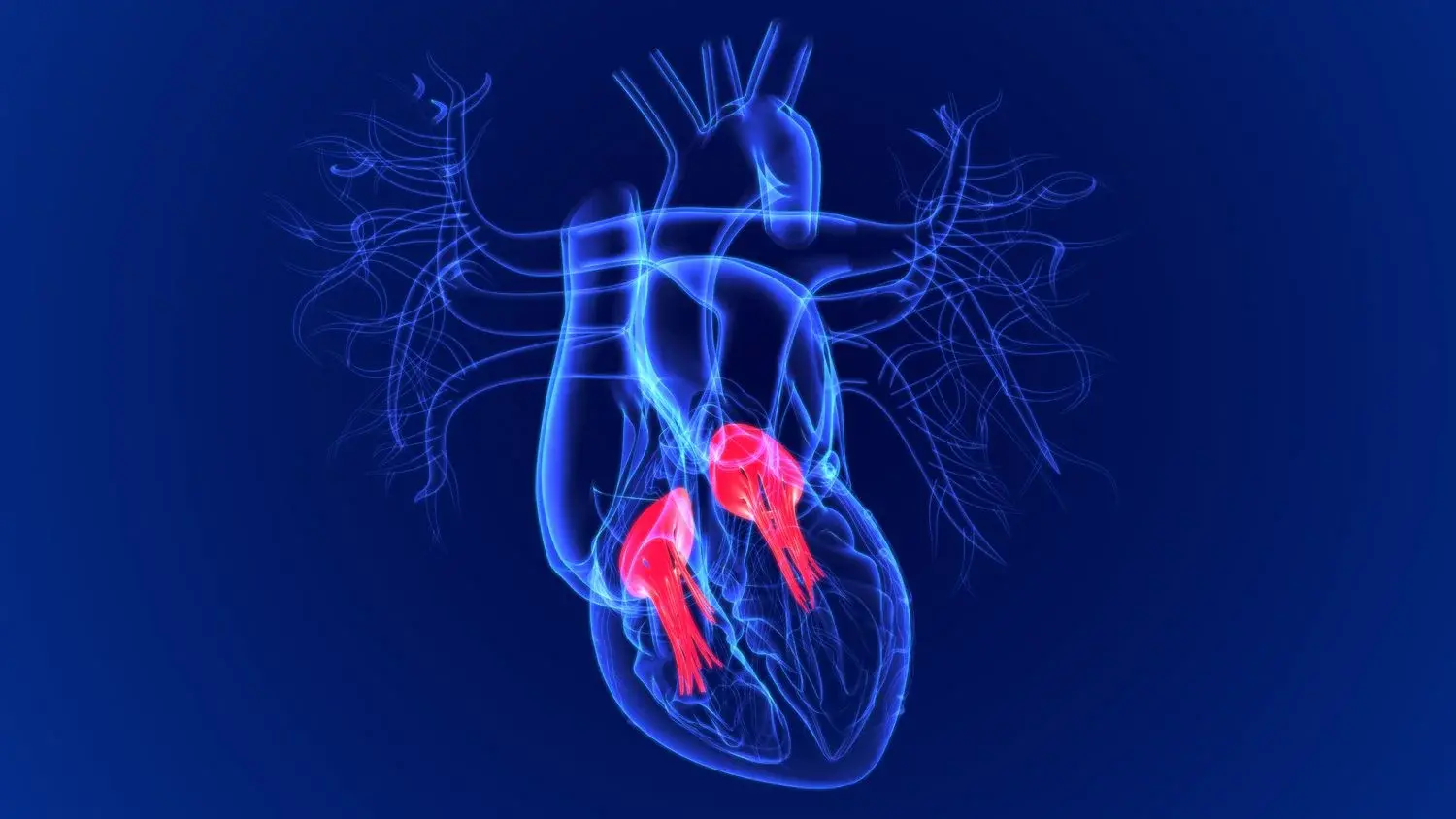
Minimally invasive mitral valve repair and replacement is an advanced cardiac surgery technique that treats valve disorders without open-heart surgery. It reduces pain, hospital stay, and recovery time while ensuring high precision outcomes in modern heart surgery.

Aortic aneurysm surgery in Mohandessin with Dr. Mahmoud Eldegwy Ahmed, consultant cardiothoracic surgeon, is one of the most advanced medical procedures, relying on early diagnosis and modern surgical techniques to treat life-threatening vascular conditions safely and effectively.

Eid al-Adha is one of the periods when meat consumption significantly increases in Egyptian and Arab households, as it is strongly associated with social gatherings and traditional meals based on red meat. Although meat is an important source of protein and essential nutrients, excessive intake of animal protein within a short period can place a heavy burden on the body, especially the kidneys.