Menopause-Related Muscle and Bone Syndrome: Why Your Body Aches
Learn about the muscle and bone syndrome linked to menopause, its causes, symptoms, and ways to ease joint and muscle pain caused by declining estrogen levels


Hormonal changes during menopause can trigger a range of health issues, including the recently identified muscle and bone syndrome, affecting around 70% of women during perimenopause and menopause. The condition is linked to decreased estrogen levels, resulting in widespread joint and muscle pain, stiffness, and fatigue.
Causes and Symptoms:
-
Estrogen decline affects joints, ligaments, tendons, and bone density.
-
Pain is often widespread rather than localized.
-
May include fatigue and muscle weakness.
-
Hormone therapy or estrogen support can improve symptoms.
Differentiating from Other Conditions:
Before diagnosis, consult a doctor about:
-
Whether symptoms occur before or after menopause.
-
Pain location: localized or widespread.
-
Presence of hot flashes, sleep disturbances, or mood changes.
-
Medications that may contribute to muscle or joint pain.
Ways to Relieve Symptoms:
-
Hormone therapy to restore estrogen and support joint lubrication.
-
Regular physical activity: walking, swimming, gentle stretching, yoga, and strength training.
-
Adequate sleep to manage inflammation and reduce pain.
-
Anti-inflammatory diet rich in colorful fruits and vegetables; reduce added sugars.
-
Use of heat, cold, or massage to relieve localized pain.
For more details and the latest health news, follow Misr Connect
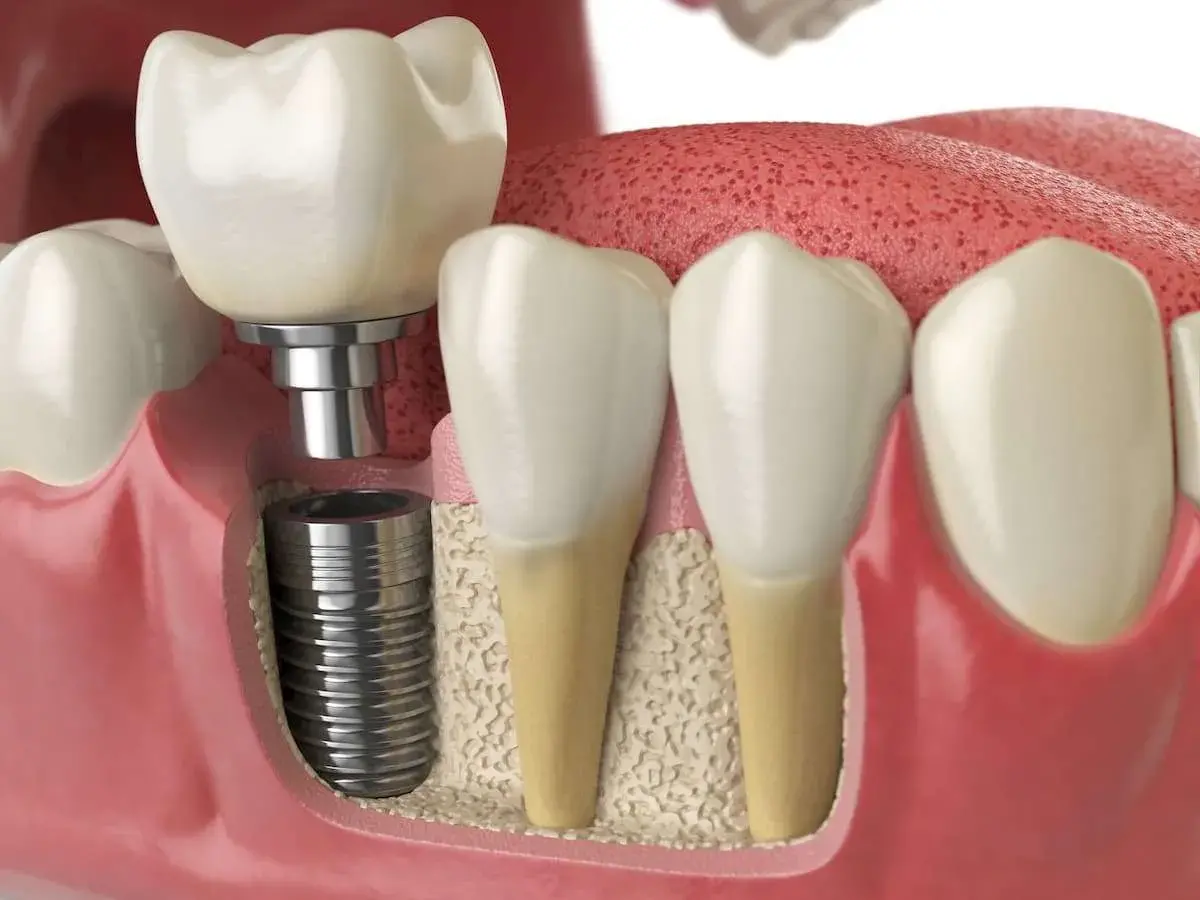
Learn the difference between immediate and traditional dental implants with Dr. Abdelmagid Nabil in Giza, and discover the advantages, disadvantages, and the best option for your dental condition to restore a natural and confident smile.

Dr. Rehab Helmy offers premarital and newlywed counseling sessions in Giza and Haram to help couples build healthy, stable relationships based on communication, understanding, and emotional support.

However, the psychological and educational truth is that the issue is far deeper than simple “lying,” and rushing to judge a child may worsen the situation instead of solving it.

Hypertension, also known as high blood pressure, is one of the most common chronic diseases worldwide. It is often called the “silent killer” because it may develop without noticeable symptoms while gradually damaging the heart, brain, kidneys, and blood vessels.