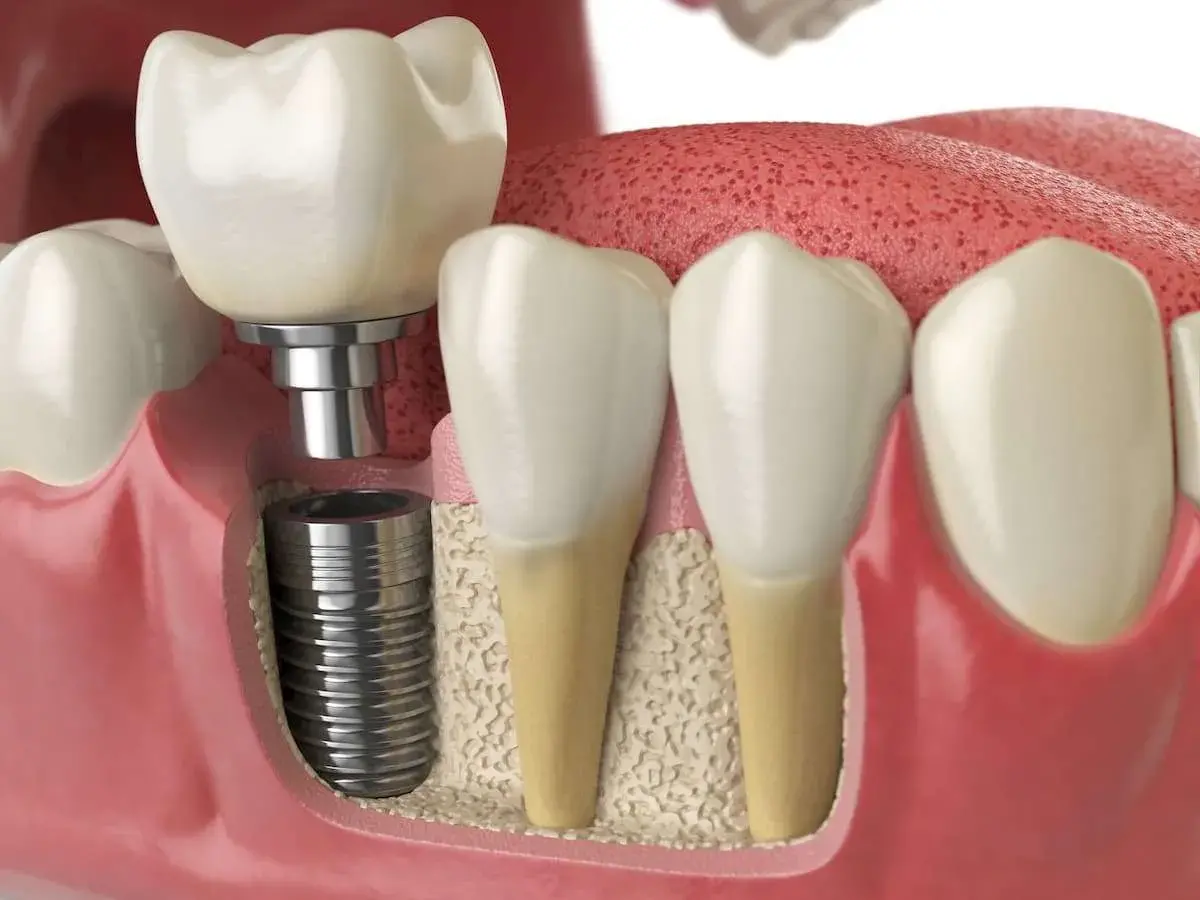

Calcium is a vital mineral in the human body, with about 99% stored in bones and teeth, while the remaining 1% circulates in blood, muscles, and bodily fluids. It plays a key role in muscle contraction, nerve signaling, and hormone release.
The body loses calcium daily through sweat and urine. If dietary intake is insufficient, it begins drawing calcium from bones, potentially leading to bone weakness over time. For that reason, many people look for effective ways to increase calcium levels quickly and safely.
Here are five practical steps:
1- Eat Calcium-Rich Foods
The fastest natural method starts with diet. Dairy products, leafy greens, canned fish like sardines, blackstrap molasses, and fortified foods are excellent sources. Spreading intake throughout the day enhances absorption.
2- Maintain Adequate Vitamin D Levels
Vitamin D helps the body absorb calcium efficiently. Around 15 minutes of daily sun exposure may provide roughly 1,000 IU of vitamin D. Supplements may also help when taken under medical supervision.
3- Reduce Sodium Intake
High salt consumption increases calcium loss in urine. Cutting back on processed and packaged foods helps preserve calcium levels.
4- Limit Soft Drinks and Caffeine
Excessive soda and caffeine intake has been linked to lower bone density and higher fracture risk, especially in women. Moderation supports bone health.
5- Quit Smoking
Smoking accelerates bone loss and interferes with calcium absorption. Quitting improves long-term skeletal health.
Recommended Daily Calcium Intake
Daily calcium needs vary by age and gender:
-
Children (1–3 years): 700 mg
-
Children (4–8 years): 1,000 mg
-
Ages 9–18: 1,300 mg
-
Women (19–50): 1,000 mg
-
Women over 50: 1,200 mg
-
Men (19–70): 1,000 mg
-
Men over 70: 1,200 mg
Meeting these daily requirements, combined with a balanced lifestyle, supports stronger bones and overall health.
For more details and the latest news, follow Misr Connect