Endocrine Disorders: A Comprehensive Guide to Understanding Hormones and Their Impact on Your Health
The endocrine system plays a vital role in regulating various body functions through hormones—chemical messengers that travel through the bloodstream to target specific organs and tissues. Any disruption in this delicate system can lead to a wide range of disorders affecting growth,

🧬 Endocrine Disorders: A Comprehensive Guide to Understanding Hormones and Their Impact on Your Health
✨ Introduction
The endocrine system plays a vital role in regulating various body functions through hormones—chemical messengers that travel through the bloodstream to target specific organs and tissues. Any disruption in this delicate system can lead to a wide range of disorders affecting growth, metabolism, mood, and even reproductive health. In this article, we provide a professional and comprehensive guide to understanding endocrine disorders, their causes, symptoms, and treatment options.
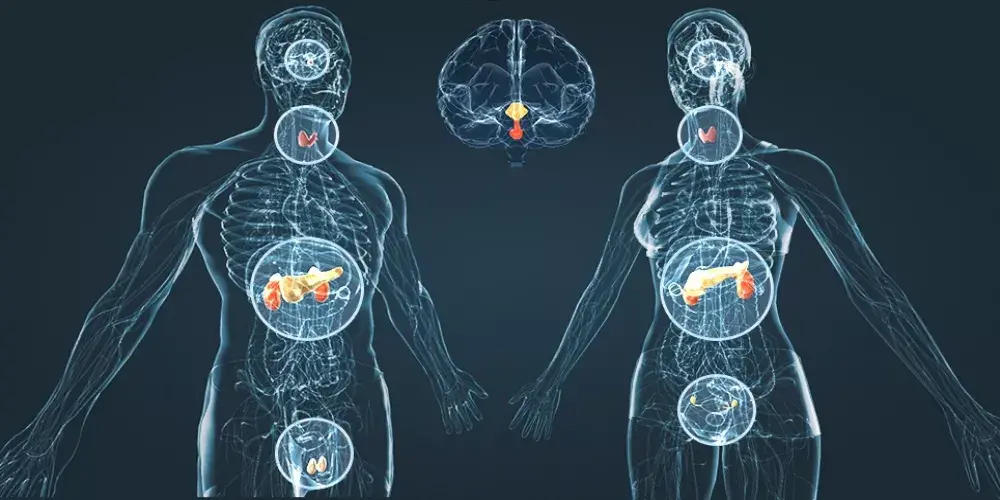
🧠 What Are Endocrine Glands?
Endocrine glands are a group of glands that secrete hormones directly into the bloodstream. These include:
Pituitary gland
Thyroid gland
Parathyroid glands
Adrenal glands
Pancreas
Reproductive glands (ovaries and testes)
These glands work together as part of a complex network known as the endocrine system, which maintains the body's internal balance (homeostasis).
⚠️ What Are Endocrine Disorders?
Endocrine disorders are conditions that occur due to imbalances in hormone production—either excessive or insufficient secretion. These imbalances may result from genetic factors, autoimmune diseases, tumors, or unhealthy lifestyle habits.
📌 Common Endocrine Disorders
1. Diabetes Mellitus
One of the most common endocrine disorders, diabetes occurs when the body cannot produce enough insulin or properly use it.
Symptoms: Excessive thirst, frequent urination, weight loss, fatigue
Types: Type 1, Type 2, Gestational diabetes
Treatment: Medications, insulin therapy, healthy diet
2. Hypothyroidism
A condition in which the thyroid gland does not produce enough hormones.
Symptoms: Weight gain, fatigue, dry skin, slow heart rate
Treatment: Hormone replacement therapy
3. Hyperthyroidism
The opposite of hypothyroidism, where the thyroid produces excessive hormones.
Symptoms: Weight loss, anxiety, rapid heartbeat, sweating
Treatment: Medications, radioactive iodine, or surgery
4. Polycystic Ovary Syndrome (PCOS)
A common hormonal disorder affecting women of reproductive age.
Symptoms: Irregular periods, excessive hair growth, acne
Treatment: Hormonal regulation, lifestyle changes
5. Addison’s Disease
A rare condition caused by insufficient hormone production from the adrenal glands.
Symptoms: Weakness, low blood pressure, weight loss
Treatment: Lifelong hormone replacement
6. Cushing’s Syndrome
A disorder caused by high levels of cortisol in the body.
Symptoms: Weight gain (especially in face and abdomen), muscle weakness
Treatment: Medications or surgery to reduce cortisol levels
🧬 Causes of Endocrine Disorders
There are several causes of endocrine disorders, including:
Genetic factors
Autoimmune diseases
Benign or malignant tumors
Poor nutrition
Chronic stress
Lack of physical activity
🔍 Symptoms of Hormonal Imbalance
Symptoms vary depending on the affected gland, but common signs include:
Sudden weight changes
Sleep disturbances
Chronic fatigue
Mood swings
Growth or fertility issues
🧪 Diagnosis
Diagnosing endocrine disorders involves several methods, such as:
Blood tests to measure hormone levels
Imaging tests (ultrasound, MRI)
Hormonal stimulation or suppression tests
💊 Treatment Options
Treatment depends on the specific condition and may include:
Medications to replace or regulate hormones
Surgery in certain cases
Radiation therapy
Lifestyle modifications (diet and exercise)
🥗 Nutrition and Endocrine Health
Proper nutrition plays a key role in maintaining hormonal balance:
Consume iodine-rich foods to support thyroid function
Reduce sugar intake to prevent insulin imbalance
Include healthy fats in your diet
Stay well-hydrated
🏃♀️ Prevention Tips
You can reduce the risk of endocrine disorders by:
Exercising regularly
Maintaining a healthy weight
Managing stress effectively
Undergoing routine check-ups
Avoiding smoking
🧾 When to See a Doctor?
You should consult a healthcare professional if you experience:
Unexplained symptoms
Noticeable hormonal changes
A family history of endocrine disorders
💡 Conclusion
Endocrine disorders are not just minor conditions—they can significantly impact quality of life if left untreated. Understanding these disorders, recognizing symptoms early, and adopting a healthy lifestyle are essential steps in prevention and management. Always seek medical advice if you notice unusual changes in your body, as early diagnosis is key to effective treatment.
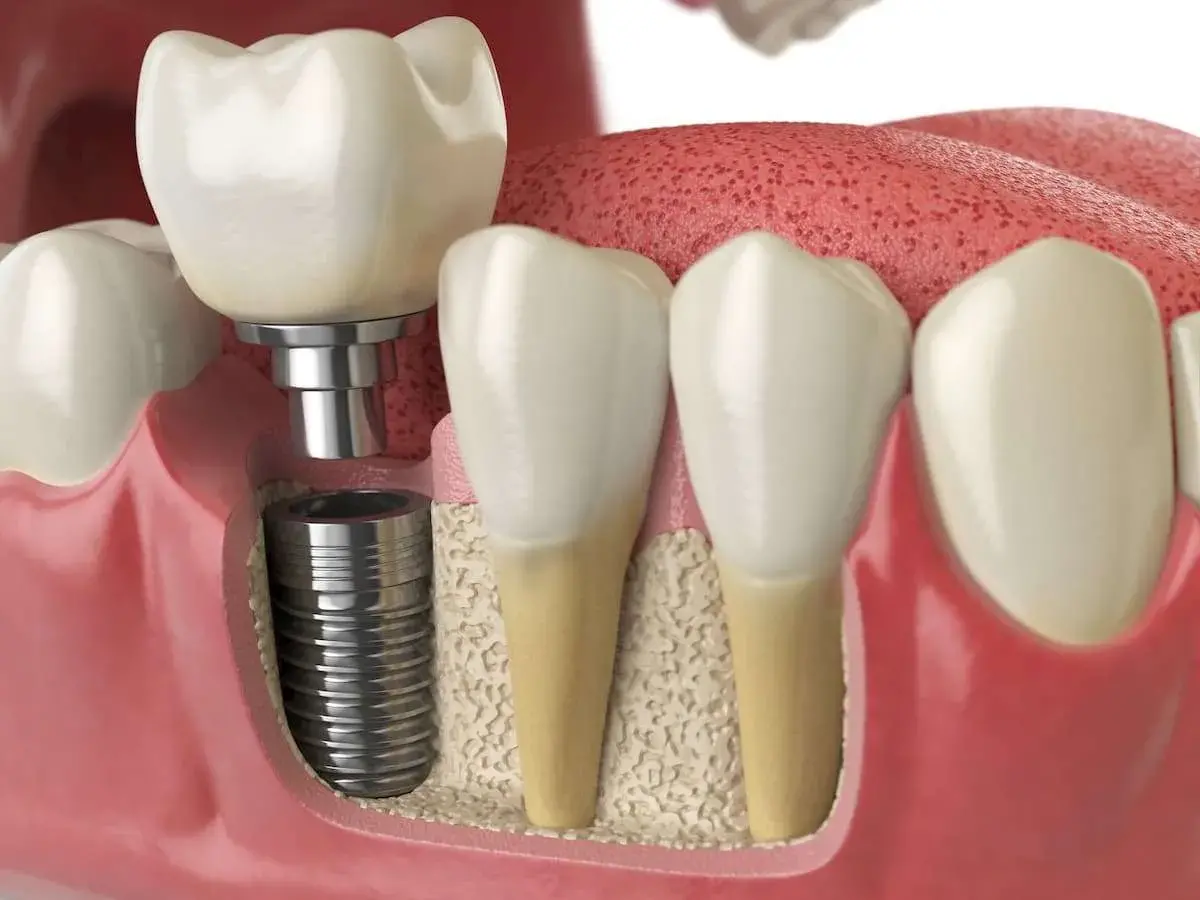
Learn the difference between immediate and traditional dental implants with Dr. Abdelmagid Nabil in Giza, and discover the advantages, disadvantages, and the best option for your dental condition to restore a natural and confident smile.

Dr. Rehab Helmy offers premarital and newlywed counseling sessions in Giza and Haram to help couples build healthy, stable relationships based on communication, understanding, and emotional support.

However, the psychological and educational truth is that the issue is far deeper than simple “lying,” and rushing to judge a child may worsen the situation instead of solving it.

Hypertension, also known as high blood pressure, is one of the most common chronic diseases worldwide. It is often called the “silent killer” because it may develop without noticeable symptoms while gradually damaging the heart, brain, kidneys, and blood vessels.