During Eid... Protect Your Children's Feelings Before Expecting Perfect Behavior
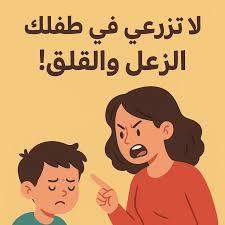
Eid is one of the most beautiful occasions that brings together families, relatives, and friends. It is an opportunity to create happy memories that children may carry with them for years. However, amid family visits and large gatherings, some children may face embarrassing situations or harsh comments that adults consider harmless jokes or parenting advice, while children experience them very differently.

By: Dr. Rehab Helmy
🎉 During Eid... Protect Your Children's Feelings Before Expecting Perfect Behavior
Eid is one of the most beautiful occasions that brings together families, relatives, and friends. It is an opportunity to create happy memories that children may carry with them for years. However, amid family visits and large gatherings, some children may face embarrassing situations or harsh comments that adults consider harmless jokes or parenting advice, while children experience them very differently.
How many times have we heard phrases like:
-
"Your child isn't well-behaved."
-
"Your daughter is disrespectful."
-
"You need to teach your children some manners."
-
"You're spoiling your kids too much."
These comments may seem ordinary to some people, but they can leave a deep emotional impact on a child, especially when said in front of others or directly in front of them.
💔 How Does a Child Feel When Hearing These Comments?
Children do not have the same ability as adults to interpret situations or understand intentions. Therefore, when they hear criticism directed at them or their parents, they often experience feelings such as:
-
Embarrassment and shame.
-
Feeling like they are a bad person.
-
Feeling unwanted or rejected.
-
Fear of attending family gatherings.
-
Loss of self-confidence.
Even more concerning, children may begin associating family gatherings with negative emotions, causing them to become anxious or unwilling to participate in future visits.
🛡️ The Role of Parents in Protecting Their Children
When a relative or acquaintance makes a harsh comment about your child, it does not mean you need to start an argument or create family tension. However, it is important that your child feels that you are standing by their side.
Parents can respond calmly and respectfully by saying:
"We're still teaching and learning every day."
Or:
"Like any child, they make mistakes, and we're helping them learn."
These simple responses send a powerful message to your child:
"I see you, I understand you, and I support you."
That sense of emotional security is far more important than trying to please everyone around you.
👨👩👧👦 Not Every Annoying Behavior Is a Sign of Bad Parenting
One common parenting mistake is assuming that every unwanted behavior reflects poor manners or bad parenting.
In reality, children gradually learn:
-
How to regulate their emotions.
-
How to interact in social situations.
-
How to express anger or frustration.
-
How to wait their turn.
-
How to follow rules.
These skills do not appear overnight. They require time, practice, and repeated life experiences.
🧠 Sometimes Children Don't Know How to Express Their Feelings
A child may feel stressed, bored, angry, overwhelmed, or tired, but may not have the words to communicate those emotions effectively.
As a result, they may express their feelings through:
-
Excessive movement or restlessness.
-
Speaking loudly.
-
Complaining or protesting.
-
Crying.
-
Withdrawal from others.
-
Using inappropriate words.
In these situations, the goal should not be to embarrass the child or label them as rude. Instead, parents should try to understand the message behind the behavior.
Often, behavior is simply an expression of emotions that a child does not yet know how to communicate verbally.
🎯 The Difference Between Guidance and Humiliation
There is a significant difference between teaching children appropriate behavior and humiliating them in front of others.
Guidance helps children learn.
Humiliation, on the other hand, often creates fear, anger, or resistance.
A child who is embarrassed publicly may stop the behavior temporarily, but they are unlikely to understand why it was wrong.
Children who receive calm and respectful guidance are much more likely to understand, grow, and improve.
🌱 Emotional Security Is the Foundation of Healthy Parenting
Many educational and psychological studies suggest that children learn best when they feel emotionally safe.
When children know that their parents:
-
Listen to them.
-
Understand their emotions.
-
Support them when they make mistakes.
-
Help them learn rather than constantly punish them.
They become more willing to listen, cooperate, and improve their behavior.
Emotional security does not mean the absence of rules or boundaries. It means providing love, support, and guidance together.
🎊 Eid Should Be About Connection, Not Embarrassment
Instead of focusing constantly on children's mistakes, Eid can become a wonderful opportunity to strengthen family relationships.
Allow children to enjoy the celebrations.
Praise them when they behave positively.
Help them learn from mistakes calmly and respectfully.
Remember that the goal is not to make children appear perfect in front of others. The goal is to help them grow into emotionally healthy and socially balanced individuals.
✨ Conclusion
Not every frustrating behavior is disrespectful, and not every disagreement is a sign of poor parenting. Sometimes children simply do not know how to express what they are feeling.
That is why children need support more than embarrassment, guidance more than criticism, and emotional security more than fear.
When children feel that their parents are a source of safety and support, they become more confident, more willing to learn, and better equipped to develop positive behaviors in a healthy and lasting way.
🎥 Watch the Video
These ideas are inspired by Dr. Rehab Helmy's discussion about the importance of considering children's feelings during family gatherings. You can watch the video below for a more detailed explanation and practical examples that can help parents handle these situations effectively.
```
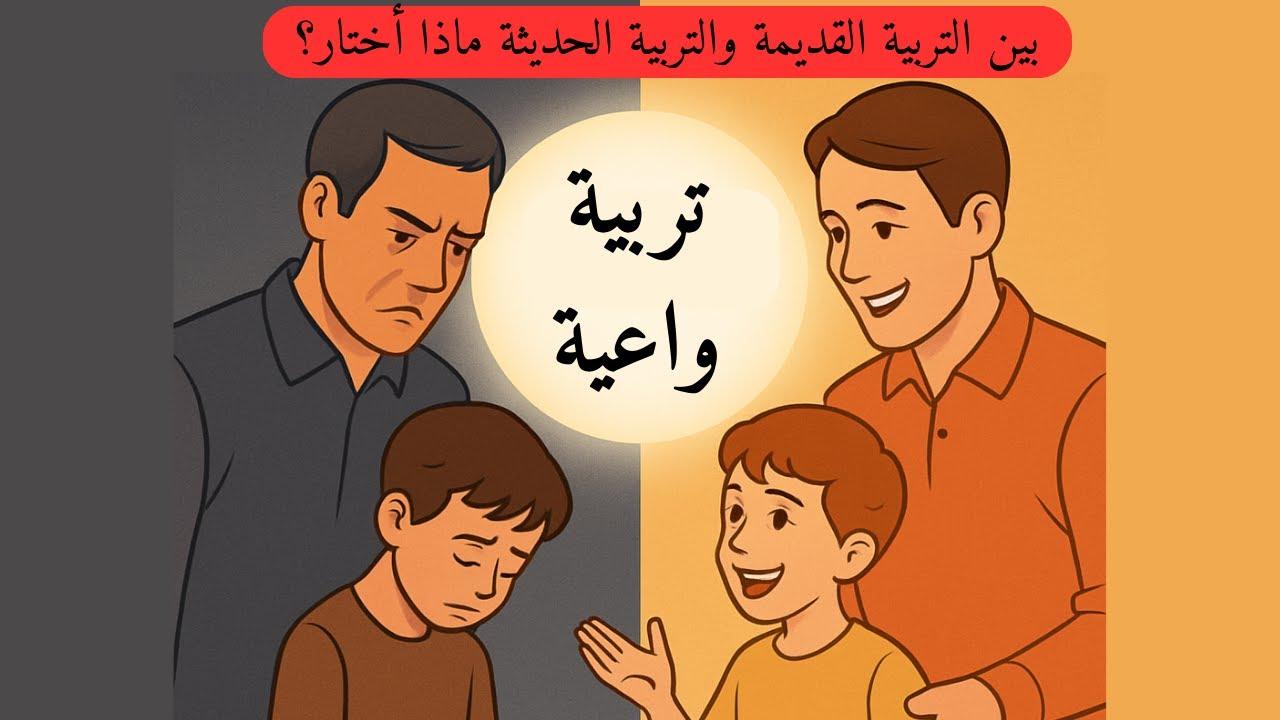
Children and teenagers were often expected to follow instructions without asking questions or expressing disagreement, and any discussion was sometimes viewed as disrespect or rebellion
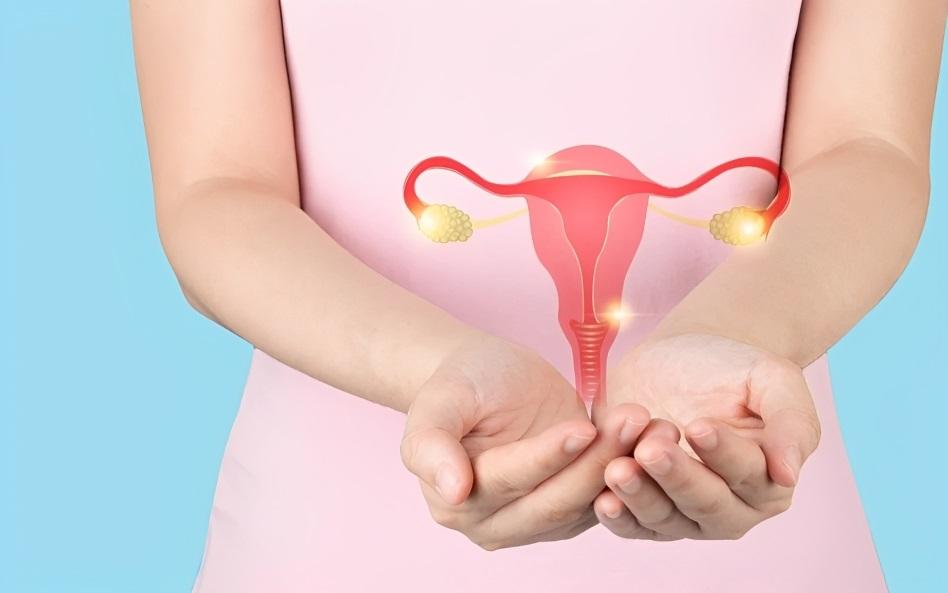
Can ovarian cysts and polycystic ovary syndrome (PCOS) be detected early before affecting fertility and pregnancy? Learn about the most common symptoms, diagnostic methods, and treatment options with Prof. Dr. Mohamed Fawzy El Tawil, Consultant of Obstetrics, Gynecology, and IVF in Suez.

Not every neck lump indicates a thyroid tumor, but certain signs require immediate medical evaluation. This article explains the main causes of neck swelling, the difference between benign conditions and thyroid tumors, and the most accurate diagnostic methods.
Families in Al Wasta looking for trusted psychiatric and addiction treatment services can rely on Al Hodoa Center, which provides detox programs, psychological rehabilitation, behavioral therapy, and continuous medical care in a safe and supportive environment.