5 Effective Home Methods to Calm Heart Palpitations Quickly and Safely
Heart palpitations can be unsettling but are usually harmless. They can be managed at home through breathing exercises, relaxation techniques, vagus nerve stimulation, proper hydration, and avoiding triggers.


Heart palpitations feel like rapid or fluttering beats in the chest and are usually temporary and non-dangerous. However, frequent episodes may cause concern, especially due to stress, dehydration, or stimulants. Here are 5 effective ways to stop palpitations at home according to cardiologists:
1. Deep Breathing
Slow, controlled breathing helps calm the nervous system. Try "Box Breathing":
-
Inhale 4 seconds
-
Hold 4 seconds
-
Exhale 4 seconds
-
Hold 4 seconds
Repeat 1–3 minutes until the rhythm stabilizes.
2. Relaxation Techniques
Stress triggers faster heartbeats. Recommended methods:
-
Meditation and mindfulness
-
Yoga
-
Muscle relaxation
-
Journaling
3. Vagus Nerve Maneuvers
Stimulating the vagus nerve slows the heartbeat naturally:
-
Splash cold water on your face
-
Blow air with lips in a circular shape
-
Tighten abdominal muscles as if having a bowel movement
4. Proper Hydration
Dehydration disrupts electrolyte balance and heart signals. Drink:
-
Water
-
Water with a pinch of salt
5. Avoid Triggers
Substances that may accelerate the heartbeat:
-
Caffeine
-
Smoking
-
Psychological stress
-
Cold medications
-
Appetite suppressants and some blood pressure medications
When to See a Doctor
Seek medical attention if palpitations are accompanied by:
-
Severe dizziness
-
Chest pain
-
Fainting
-
Continuous palpitations for hours
-
Daily repetition without clear cause
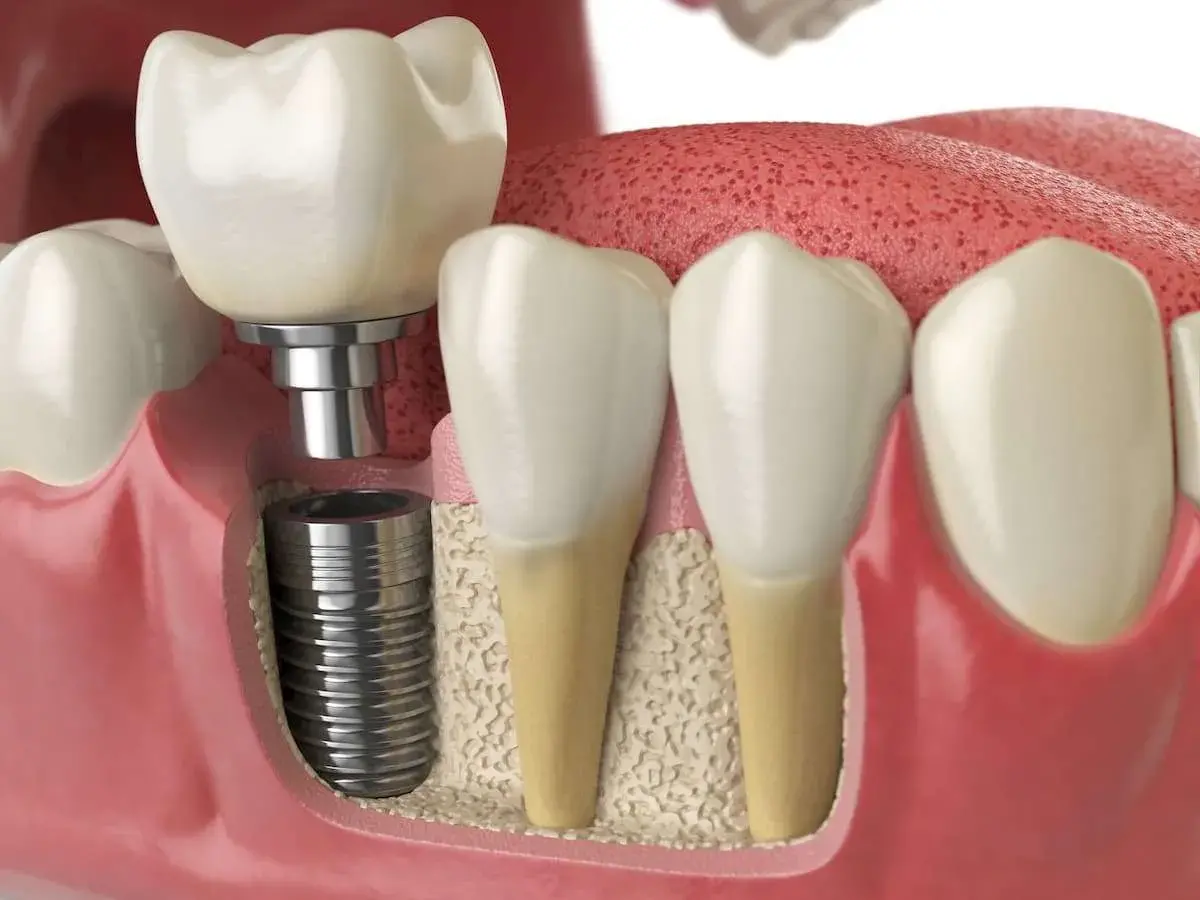
Learn the difference between immediate and traditional dental implants with Dr. Abdelmagid Nabil in Giza, and discover the advantages, disadvantages, and the best option for your dental condition to restore a natural and confident smile.

Dr. Rehab Helmy offers premarital and newlywed counseling sessions in Giza and Haram to help couples build healthy, stable relationships based on communication, understanding, and emotional support.

However, the psychological and educational truth is that the issue is far deeper than simple “lying,” and rushing to judge a child may worsen the situation instead of solving it.

Hypertension, also known as high blood pressure, is one of the most common chronic diseases worldwide. It is often called the “silent killer” because it may develop without noticeable symptoms while gradually damaging the heart, brain, kidneys, and blood vessels.