8. Conclusion
As the Egyptian Baccalaureate is launched as an optional path without eliminating Thanaweya Amma, the key question remains: Will this reform achieve its goals of easing pressure and enhancing student capabilities, or will implementation and coordination challenges hold it back? The coming days will reveal the answer.
From "320" to "700" Points… Discover the Difference Between Thanaweya Amma and the Egyptian Baccalaureate
"A quick comparison between the General Secondary Education system and the new Egyptian Baccalaureate system
Mon , July 07 2025 / 11:46 AM
Updated At: 2025-07-07 11:46:36
Amid a radical shift in Egypt’s secondary education system, the “Egyptian Baccalaureate” emerges as an optional alternative to the traditional General Secondary Education (Thanaweya Amma). This reform aims to ease psychological pressure on students and broaden their academic choices. But how do the two systems differ, and what are the features of each?
1. Structure and Subject Distribution
Traditional General Secondary: Focuses on five subjects in the third (final) year only, with a single final score (out of 320 points).
Egyptian Baccalaureate: Includes seven subjects distributed over two academic years (Grade 11 and 12), with the higher of two total scores (out of 700 points) counted.
2. Study Tracks and Flexibility
Thanaweya Amma: Offers three rigid tracks (Science – Math – Humanities), with no option to switch or add subjects from other tracks.
Egyptian Baccalaureate: Offers four specialized tracks (Medicine & Life Sciences – Business – Engineering & Computer Science – Humanities & Arts), allowing students to study additional subjects and switch between tracks if desired. 3. Grade Improvement and Exam Opportunities
Thanaweya Amma: Only one exam attempt in the first round; a second round is allowed but only earns half the grade, with no chance to improve overall scores.
Egyptian Baccalaureate: Students may retake each subject multiple times and choose the highest grade, with all attempts recorded and submitted to the university admissions office.
4. Special Subject Calculation
Second Foreign Language:
In the current system: Studied but not included in the final grade.
In the Baccalaureate: Becomes a core subject within the Humanities & Arts track; students can choose between it and Psychology.
Religious Education:
In Thanaweya Amma: A required subject, but not included in the grade.
In the Baccalaureate: A compulsory subject included in the total score. 5. Advantages of the New System
Reduced Subject Load: Spreading courses over two years helps manage time and allows for deeper learning.
Specialization Diversity: Offers more integrated and interdisciplinary academic tracks.
Personalized Learning: Students can design a study plan tailored to their interests.
Modern Curriculum: New subjects like "History of Egypt" promote national identity.
Value-Oriented: Including "Religious Education" in the grade strengthens positive values and curbs negative behavior.
Skill-Focused: Emphasizes critical and analytical thinking over rote memorization.
Continuous Assessment: Tracks student progress over two years instead of a single final exam.
6. Feedback and Opinions
Many parents and teachers expressed optimism about the new system, believing that the Egyptian Baccalaureate could end the private tutoring industry and restore students’ mental balance. However, some voiced concerns about university admissions and how institutions will equitably evaluate the new 700-point scale compared to the traditional 320-point
system.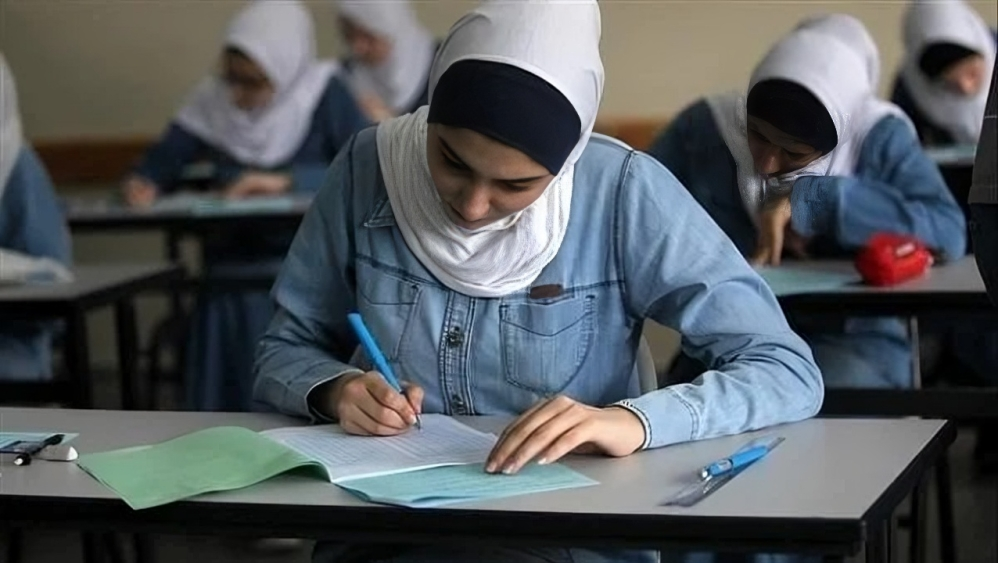 7. Potential Challenges
Organization and Oversight: Ensuring integrity and smooth execution of multiple exam rounds.
University Admissions: Developing fair and transparent grading conversion mechanisms.
Public Awareness: Clearly communicating track options to students and parents to avoid confusion.
May 25

A specialized legal overview of criminal defense and procedural arguments in public funds crimes and foreign currency trading cases under Egyptian law.
May 24

In today’s fast-paced world filled with stress, long working hours, and physical fatigue, taking care of your body and mental relaxation has become essential for maintaining overall balance and well-being.
May 24
Compensation and real estate disputes between clients and real estate development companies are among the most common legal cases in recent years, due to the rapid expansion of real estate investment and increasing complaints regarding delayed delivery of units or failure to comply with contractual obligations.
May 24
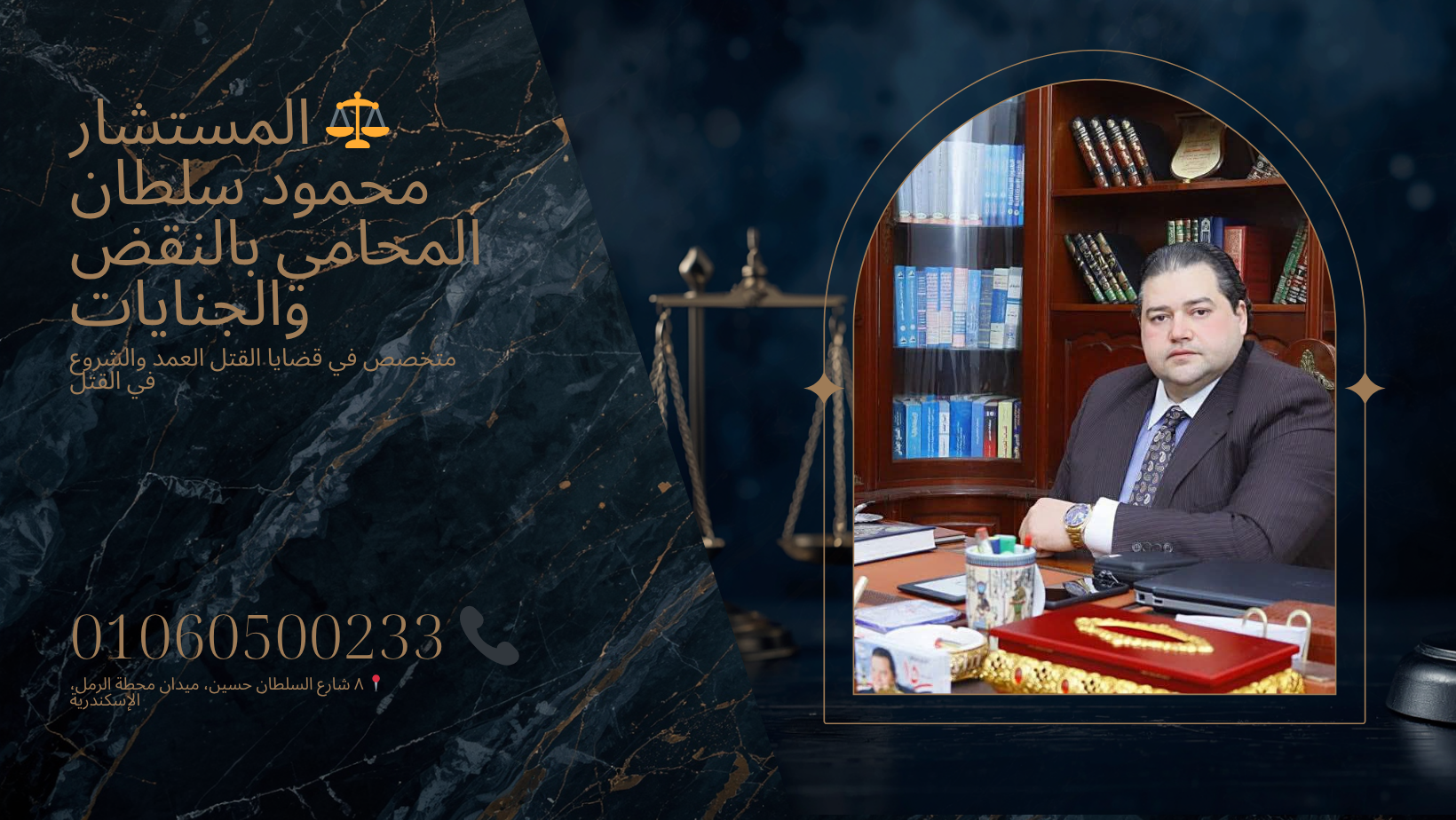
Premeditated murder and attempted murder cases are considered among the most serious criminal cases handled by Egyptian courts due to their severe legal consequences and the strict penalties imposed under Egyptian law. In some cases, penalties may reach life imprisonment or even capital punishment depending on the circumstances of the crime.